

The Nigerian government’s approval of ₦70,000 in transport fare support for workers has opened a wider conversation about economic hardship and the responsibilities of government. While the intervention is intended to provide relief, the debate raises important questions about whether the amount is sufficient, how it will improve workers’ welfare and what other measures are needed to address the rising cost of living.
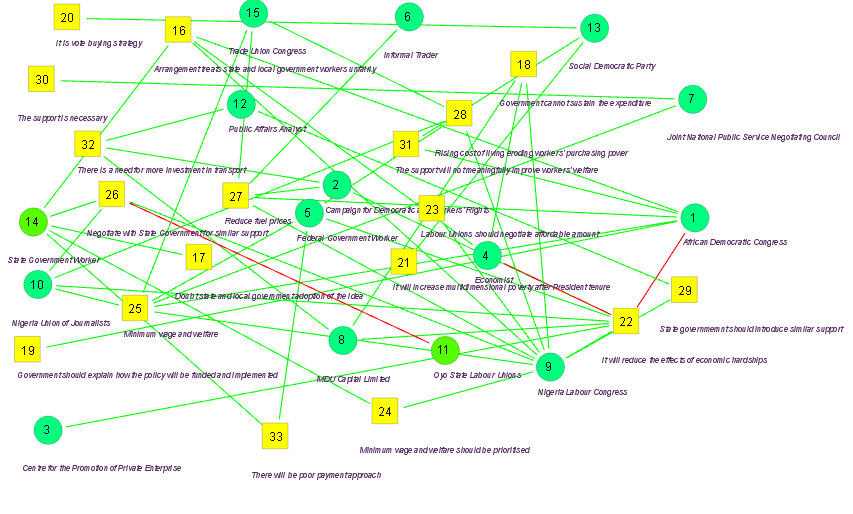
An analysis of the conversation by Infoprations reveals that the debate extends beyond the amount approved. Political parties, labour organisations and other stakeholders are discussing the necessity of the support, its potential benefits, the affordability of transportation and alternative ways of improving workers’ welfare. The emerging picture suggests that the intervention should not be judged by the announcement alone. Its significance depends on how well it responds to the economic pressures workers face.
The debate goes beyond transport fares
One important finding from the analysis is that the conversation connects transport support to wider concerns about rising living costs and declining purchasing power. The argument is not simply about whether workers need assistance, but whether the proposed support will make a meaningful difference to their daily lives.
Some of the claims presented in the analysis emphasise the necessity of the intervention and its potential to improve workers’ welfare. Others focus on reducing fuel prices, increasing investment in transportation and prioritising minimum wages.These positions reveal an important distinction. Supporting the need to help workers does not necessarily mean accepting that the proposed amount is adequate. Similarly, questioning the amount does not automatically mean rejecting government assistance.
For policymakers, this distinction matters. Public acceptance of an intervention depends not only on its stated purpose but also on whether people believe it addresses the problem they experience.
Labour organisations have an important role
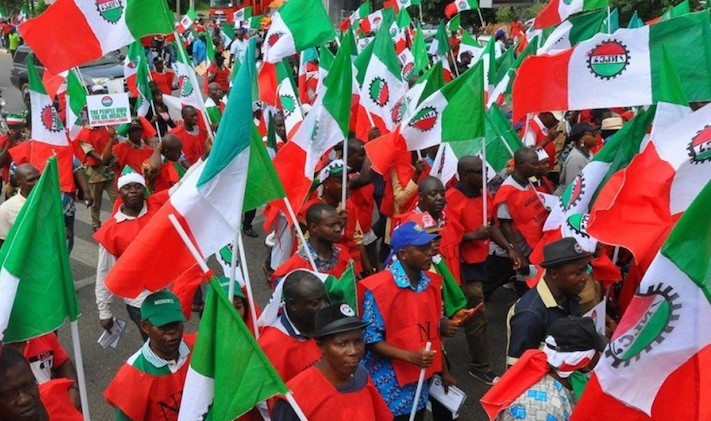
The conversation also highlights the involvement of organised labour, including the Nigeria Labour Congress (NLC) and the Trade Union Congress (TUC). Their positions appear alongside discussions about minimum wages, workers’ welfare and the responsibilities of government.
This reflects the important role labour organisations play in shaping expectations about economic relief. Their arguments help establish the standards against which government interventions are assessed. The presence of minimum wage demands and calls for broader economic measures also suggests that transport support is being considered alongside other concerns affecting workers’ livelihoods.
Consequently, temporary assistance may provide some relief without resolving the wider issues that continue to shape workers’ experiences. Policymakers should therefore consider how transport support relates to wage policies, fuel prices and access to affordable public transportation.
Should state governments do more?
Another issue emerging from the debate is the call for state governments to introduce similar support. This raises questions about how responsibility for workers’ welfare should be shared across different levels of government. Transport costs and commuting conditions differ across locations. Workers in one state may face different challenges from those in another, depending on transport availability, distance and local economic conditions.
Extending similar assistance could therefore generate further discussion about funding, eligibility and the ability of individual states to sustain such interventions. Rather than focusing solely on whether state governments should replicate the federal initiative, policymakers should consider how support can respond to local needs while remaining financially sustainable.
Support for an idea does not guarantee its success
The analysis shows more green lines, representing support for particular ideas, than red lines, which represent opposition. However, this should not be interpreted as evidence that most Nigerians support the ₦70,000 allowance.
The distinction is important because some of the ideas receiving support concern alternative interventions, including reducing fuel prices, increasing transport investment and improving minimum wages. These positions may reflect agreement that workers need assistance without necessarily indicating satisfaction with the government’s chosen approach.
The debate therefore reveals different ways stakeholders understand the problem and the solutions they consider appropriate. Some emphasise immediate relief, while others focus on longer-term economic changes. Understanding these differences is essential to evaluating the public conversation accurately. The findings reflect the material examined and should not automatically be generalised to the views of the entire Nigerian population.







Leave a Reply