

The growing influence of artificial intelligence on electoral processes presents Nigeria with a challenge that goes beyond detecting fake videos, fabricated speeches and misleading political messages. Are the country’s institutions, media organisations, technology platforms and citizens prepared to protect the integrity of electoral information ahead of the 2027 general elections?
This question featured prominently at the AI and Elections Summit held in Abuja on November 2 and 3, 2026. The contributions of electoral administrators, academics, media professionals, government representatives and international development partners revealed an emerging understanding that artificial intelligence is both an opportunity for improving electoral administration and a potential instrument for undermining democratic participation.
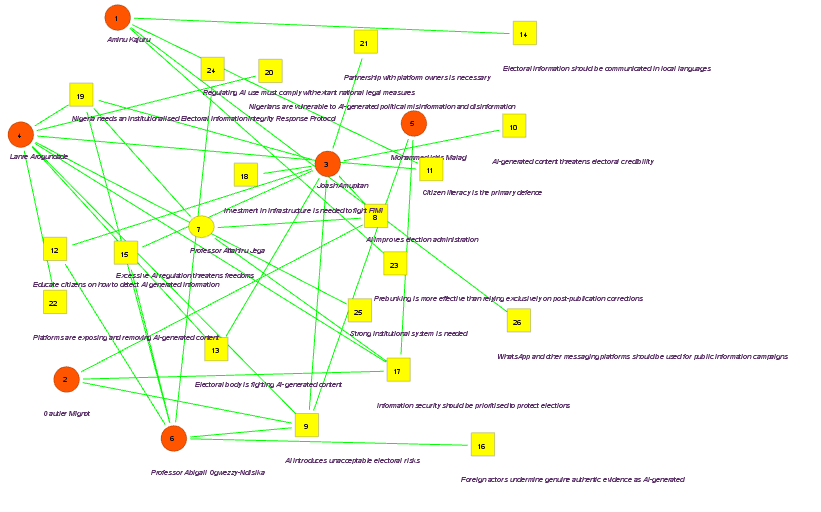
An analysis by Infoprations, using stakeholder statements and their associated claims at the summit, provides an additional perspective on the discussions. By examining what participants argued, the institutions and issues they emphasised, and the different priorities reflected in their contributions, Infoprations identified three broad areas shaping the conversation
One important message from the discussions was that Nigeria cannot afford to approach artificial intelligence exclusively as a threat. Professor Joash Amupitan, Chairman of the Independent National Electoral Commission (INEC), highlighted the potential of AI to improve election administration while recognising the dangers posed by AI-generated political misinformation and disinformation. This dual perspective is important. The objective should not be to discourage technological innovation but to ensure that its adoption strengthens electoral credibility rather than weakens it.
Former INEC Chairman, Professor Attahiru Jega, also contributed to the conversation around institutional preparedness, infrastructure investment and the appropriate regulation of artificial intelligence. His position points to an important distinction between regulating the harmful use of AI and introducing restrictions that could undermine innovation. Nigeria needs regulatory safeguards, but these must be sufficiently balanced to encourage responsible technological development.
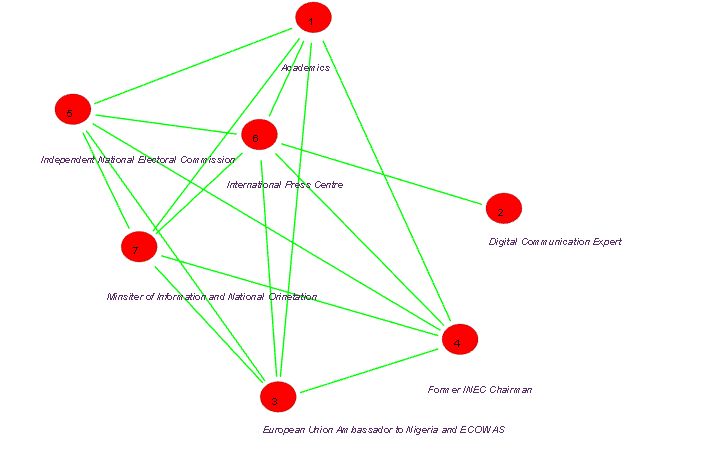
However, institutional preparedness cannot be achieved by INEC acting alone. Infoprations’ analysis identifies the proposed institutionalisation of an Electoral Information Integrity Response Protocol as an important proposition emerging from the discussions. Dr Lanre Arogundade of the International Press Centre and other participants emphasised the need for coordinated institutional responses to electoral information threats. Such an arrangement would provide a framework for identifying emerging threats, verifying suspicious information, communicating corrections and ensuring that relevant institutions understand their responsibilities.
This is particularly important because electoral misinformation does not remain within the boundaries of individual organisations. A fabricated announcement about election results, a manipulated video of a political candidate or a false security alert can move rapidly across social media platforms, messaging applications, traditional media and political networks. Responding effectively requires cooperation among electoral institutions, journalists, fact-checkers, civil society organisations and technology companies.
Yet, institutional coordination is only one part of the problem. The responsibility of digital platforms deserves greater attention. Partnerships with platform owners are necessary, particularly given their role in distributing electoral information and determining what content becomes visible to large audiences. Platforms should be more responsive to manipulated electoral content, improve transparency around political communication and provide effective channels for reporting harmful material. However, such interventions must not become instruments for suppressing legitimate political expression.
Another important dimension of the summit was the need to strengthen citizens’ ability to recognise and resist manipulation. Aminu Kajuru’s emphasis on communicating electoral information in local languages highlights a frequently overlooked aspect of information integrity: accurate information is not necessarily useful if citizens cannot understand or access it. Digital literacy, public education and prebunking should therefore become central components of Nigeria’s electoral preparedness.
Prebunking is particularly important. Rather than waiting for fabricated information to circulate before correcting it, institutions and media organisations should educate citizens in advance about common manipulation techniques. WhatsApp and other messaging platforms can also be used to distribute verified electoral information, especially to communities that may not regularly access conventional news sources.
Perhaps one of the most consequential concerns identified in Infoprations’ analysis is the possibility that genuine evidence could be dismissed as AI-generated. As synthetic media becomes increasingly sophisticated, political actors may exploit public uncertainty by claiming that authentic recordings, photographs or videos are fabricated. This creates a dangerous situation in which both false information and genuine evidence become subjects of suspicion. Protecting electoral information integrity must therefore involve establishing reliable ways of verifying authentic evidence, not simply identifying artificial content.
Infoprations’ assessment also points to the importance of balancing information security with democratic freedoms. Protecting elections from manipulation must not become a justification for censorship, restrictions on legitimate political criticism or excessive control over digital communication. The credibility of an election depends not only on protecting citizens from deceptive information but also on preserving their ability to question institutions, scrutinise political actors and participate freely in democratic discussions.
The challenge for Nigeria is to bring these different priorities together. Electoral security, technological innovation, media accountability, citizen awareness and democratic freedoms should not be treated as competing objectives. They are interconnected requirements for credible elections.
Nigeria’s preparedness for the 2027 elections should not be measured by how many deepfakes it detects or how many misleading posts it removes. It should be measured by whether citizens can access reliable information, institutions can respond transparently, platforms act responsibly and authentic evidence retains its credibility.
Artificial intelligence will continue to reshape electoral communication. Nigeria’s task is to ensure that its institutions and citizens are prepared to govern its consequences without compromising the democratic freedoms that elections are meant to protect.









Leave a Reply