


Leadership is often judged not just by the decisions taken, but by the problems those decisions assume to exist. Since his inauguration in May 2023, President Bola Ahmed Tinubu has rolled out a series of bold reforms that have stirred debates across Nigeria. Looking at his policies through the question of what problems they suggest Nigeria is facing gives a clearer picture of his government’s priorities and its vision for the future.
2023: Tackling Waste and Inefficiency
One of Tinubu’s earliest and most defining moves was the removal of fuel subsidies. To many Nigerians, the subsidy was a lifeline that kept petrol affordable. To his government, however, it represented waste, corruption, and an unsustainable drain on public finances. By scrapping it, the administration presented the problem as inefficiency in resource allocation. The solution was to free up funds for infrastructure and social investment, even if it meant short-term pain for citizens.
Alongside this came the Electricity Act of 2023, which opened the door for states and private actors to generate and distribute power. Here again, the problem was framed as central government monopoly choking growth. The solution was to decentralize control and let competition drive improvements.
The introduction of the Student Loan Bill, emergency wage increases for workers, and cash transfers to vulnerable households suggested another perceived problem: the risk of social unrest following economic reforms. These initiatives positioned government as a safety net, cushioning citizens against shocks. Taken together, 2023 was about confronting inefficiency while attempting to cushion hardship.

2024: Restoring Dignity and Stability
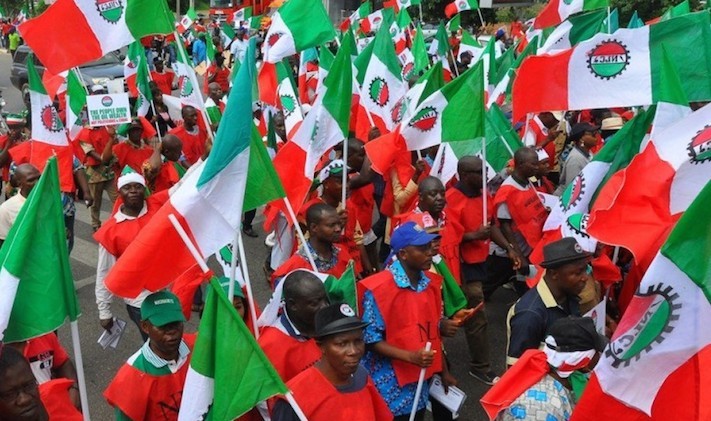
By 2024, the administration shifted toward restoring a sense of fairness and national pride. Raising the minimum wage from ₦30,000 to ₦70,000 acknowledged a problem of eroded purchasing power and worker frustration. The 300 percent increase in judicial salaries highlighted another issue: the vulnerability of judges to corruption when poorly paid. Both measures suggested the government saw low wages as a root cause of discontent and weak institutions.
Another striking move was reinstating the old national anthem, “Nigeria, We Hail Thee.” This was not about the economy but about identity. The problem, as framed by government, was a lack of shared pride and unity. The solution was to reconnect to a past symbol that might inspire cohesion.
In the energy sector, restarting the Port Harcourt refinery and introducing the crude-for-naira program pointed to a different diagnosis. Here, the problem was dependence on foreign exchange and a distorted oil market. The answer was to localize refining and reduce pressure on the naira. The story of 2024 therefore emphasized dignity through fair pay, national pride, and economic sovereignty.
2025: Building for the Future
So far in 2025, attention has moved to long-term structures for growth. The Lagos–Calabar Coastal Highway, the AKK gas pipeline, and new power projects show the government identifying infrastructure gaps as the problem. The answer has been massive public works designed to unlock productivity.
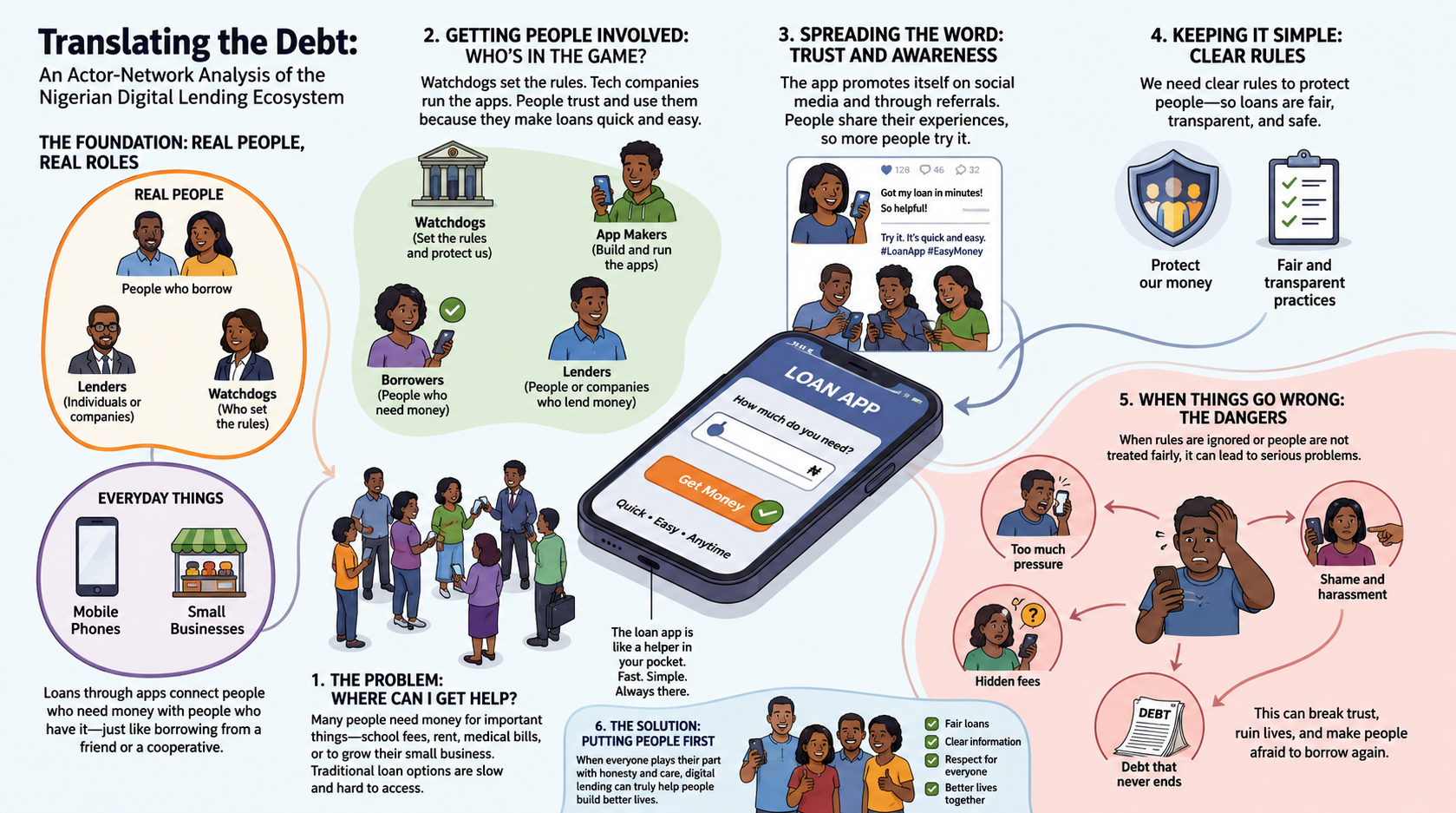
Equally, the Consumer Credit Scheme and the National Credit Guarantee Company suggest that exclusion from finance is a pressing problem. These policies aim to make credit available not only to businesses but also to ordinary Nigerians, reframing prosperity as something accessible to more than just the elite.
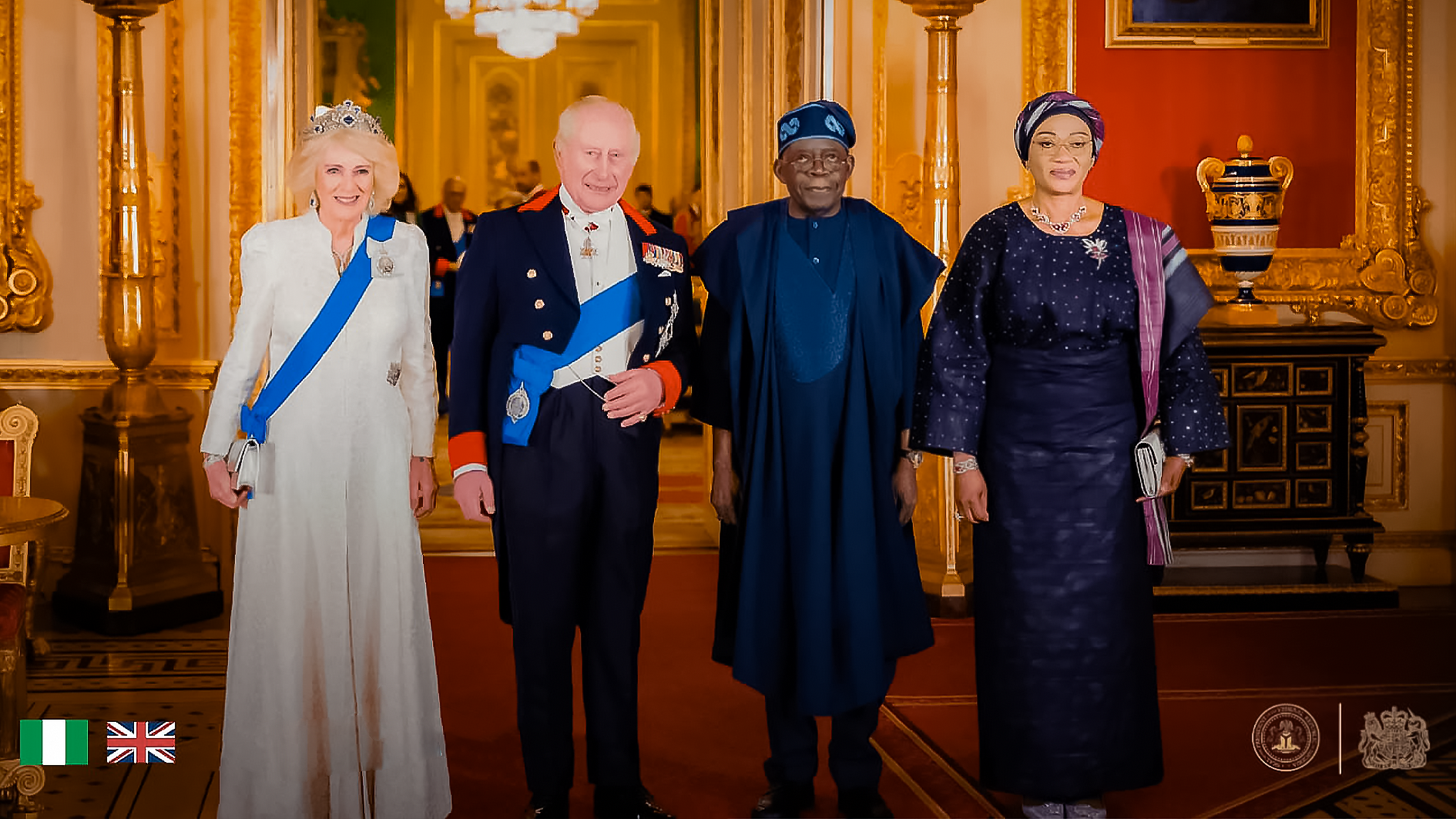
On the global stage, Tinubu’s invitation to Petrobras and trade deals with Brazil signal another assumption: that Nigeria’s economic stagnation partly stems from limited partnerships and investment. Encouraging foreign collaboration is presented as the solution.
Even smaller moves, like banning raw shea nut exports, reflect a consistent diagnosis that exporting unprocessed goods keeps Nigeria poor. The government wants local value addition to become the new norm. In this sense, 2025’s policies are about laying foundations and broadening opportunities, with an eye on structural transformation.

What This Tells Us
When seen together, Tinubu’s policies over three years tell a story of shifting problem definitions. In 2023, inefficiency and fiscal waste were the problems to fix. In 2024, it was fairness, dignity, and national pride. By 2025, the focus has shifted to opportunity, access, and long-term growth.
Whether these definitions align with the daily struggles of Nigerians such as food inflation, unemployment, or insecurity remains contested. But it is clear that the administration has consistently tried to frame itself as reformist: tackling waste, protecting dignity, and building for the future.
The larger question is whether Nigerians accept these definitions. If citizens see subsidy removal not as ending inefficiency but as worsening poverty, then policy solutions may be seen as missing the point. Likewise, while infrastructure projects may address future growth, they may not solve the immediate problem of hunger in the present.







Leave a Reply