

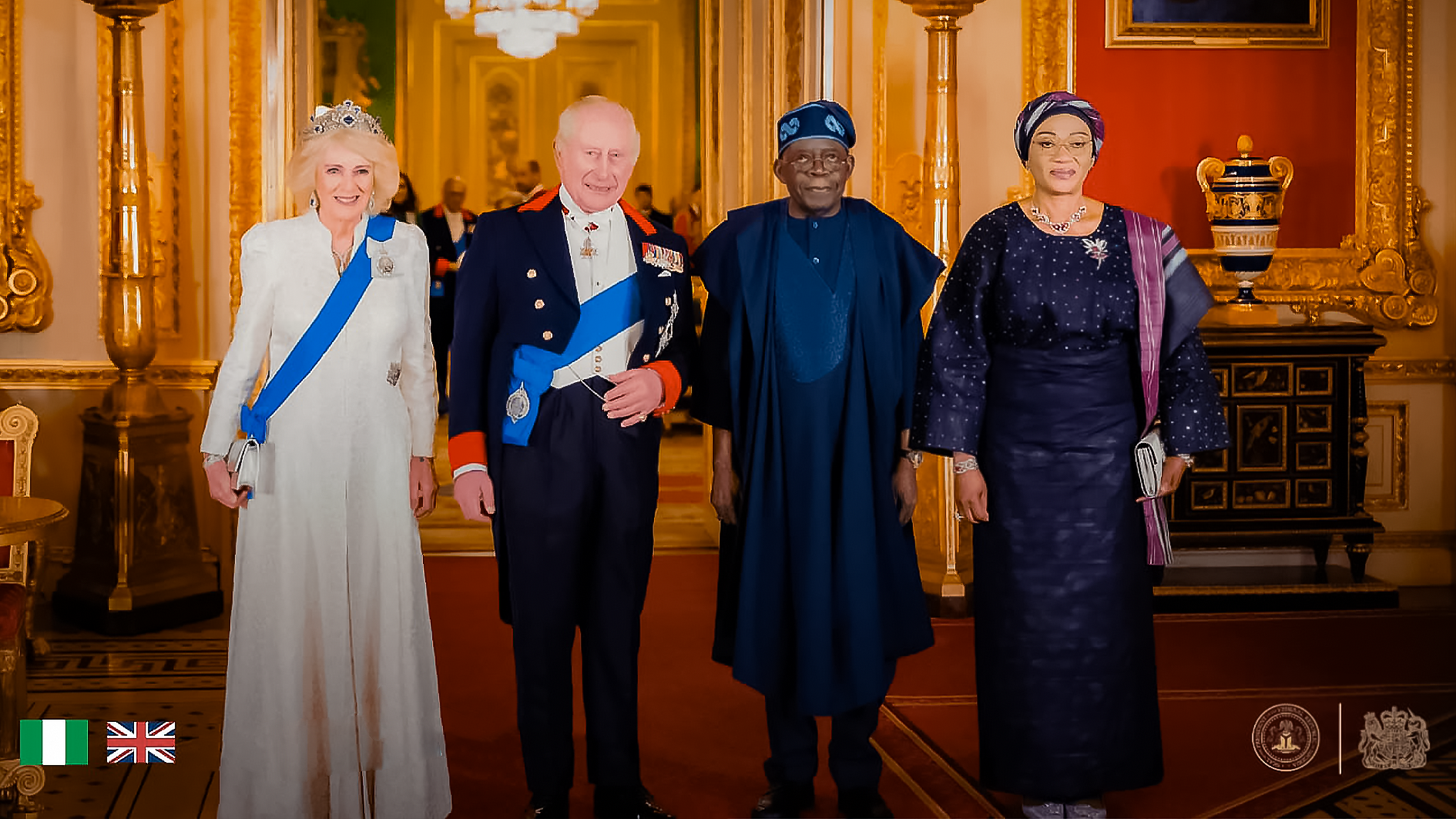
President Bola Ahmed Tinubu’s speech at Windsor Castle offers more than ceremonial diplomacy. It reveals how modern international relationships are built, sustained, and presented. Beneath the formal language and historical references lies a carefully assembled web of people, institutions, ideas, and symbols that together shape the meaning of partnership between Nigeria and the United Kingdom.
At the centre of this moment is not just a leader addressing a monarch, but a meeting point of multiple forces. Tinubu stands as a representative of Nigeria, yet he also acts as a connector, bringing together history, policy, and identity in a single narrative. Across from him is King Charles III, who represents continuity, tradition, and the symbolic weight of the British state. Their interaction is not merely personal. It is institutional and historical, drawing legitimacy from centuries of political evolution.
One of the most striking features of the speech is how it links Nigeria’s present to Britain’s past. References to documents like the Magna Carta and to thinkers such as John Locke are not incidental. They serve to position Nigeria within a broader story of democratic development. This indicates that Nigeria’s political institutions are part of a longer global journey rather than isolated creations. This connection strengthens the sense of shared values, even if it leaves out more difficult aspects of that shared history.
Equally important are the less visible elements that hold this relationship together. Language, for instance, plays a quiet but powerful role. English is more than a medium of communication. It is a bridge that allows ideas, laws, and cultural expressions to move between both countries with ease. Without it, many of the connections highlighted in the speech would be far weaker.
People also serve as living links between the two nations. The Nigerian community in the United Kingdom is presented as a vital contributor to British society. Nowhere is this clearer than in the National Health Service, where Nigerian professionals play a significant role. This is not just a story of migration. It is a story of mutual dependence. The UK benefits from skilled labour, while Nigeria gains influence and visibility through its diaspora. Figures such as Bukayo Saka and Anthony Joshua further illustrate how identity can span borders, creating shared pride and cultural connection.
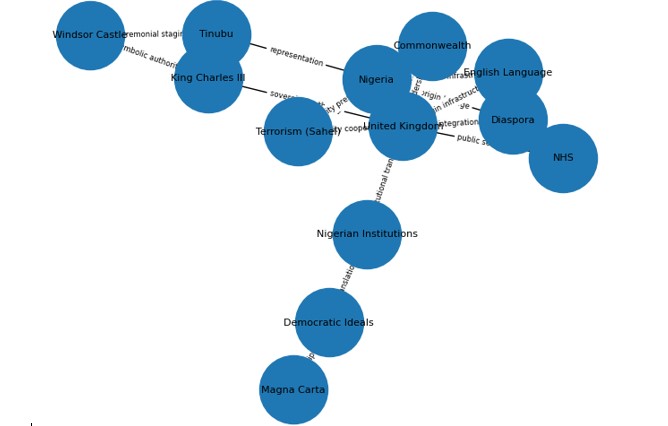
The speech also highlights how institutions extend these relationships beyond individuals. The Commonwealth of Nations is presented as a platform that brings countries together under a common framework. It reinforces the idea that Nigeria and the United Kingdom are part of a wider community with shared goals. At the same time, cooperation in areas such as security, particularly in response to challenges in the Sahel, shows how practical concerns bind nations together. These are not abstract ideals. They are real issues that require coordination, resources, and trust.
Symbols play a powerful role in reinforcing all of this. Windsor Castle itself is more than a venue. It represents continuity and authority, lending weight to the occasion. By speaking there, Tinubu’s message is framed within a setting that embodies stability and tradition. This adds a layer of meaning that goes beyond words.
Perhaps the most compelling moment in the speech is the personal reflection on Tinubu’s time in exile. By recalling the protection he received in the United Kingdom, he transforms the relationship from one of states to one of lived experience. This personal history strengthens the narrative of partnership and trust. It suggests that the ties between both countries are not only institutional but also deeply human.
What emerges from all these elements is a picture of international relations that is far more interconnected than it might first appear. The relationship between Nigeria and the United Kingdom is not sustained by diplomacy alone. It depends on people, shared language, historical references, institutional ties, and symbolic gestures. Each of these elements reinforces the others, creating a network that is both resilient and adaptable.
This has important implications for how we understand global partnerships. Strong relationships are not built solely through agreements or official meetings. They are constructed through a wide range of connections that must be constantly maintained. Speeches like this one play a crucial role in that process. They reaffirm bonds, align interests, and present a coherent story that makes the relationship appear natural and enduring.
Influence does not rest in a single place. It emerges from the ability to connect different elements into a meaningful whole. Tinubu’s address demonstrates how this can be done effectively, offering a model of diplomacy that is as much about storytelling and connection as it is about policy.







Leave a Reply