

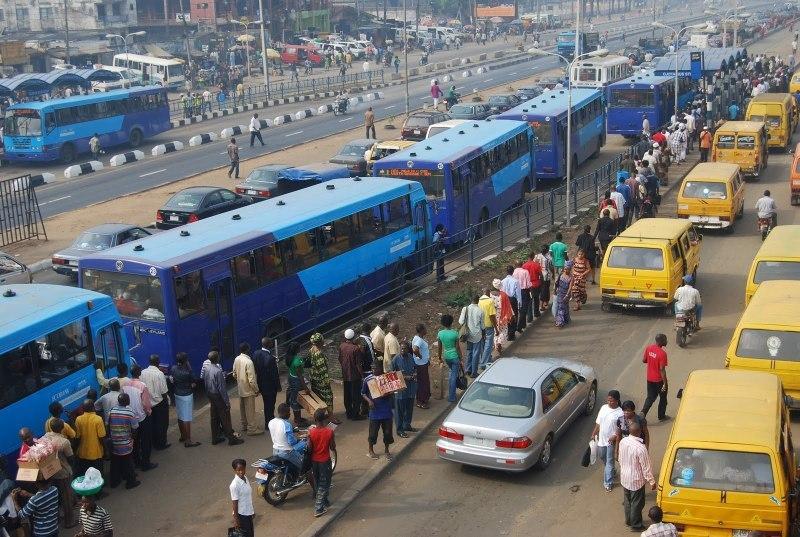
From 2023 to 2025, Nigeria has seen important changes in its transport and aviation systems. These changes include new infrastructure, government policies, and business partnerships that are beginning to reshape the way people and goods move across the country.
Rail and Mass Transit
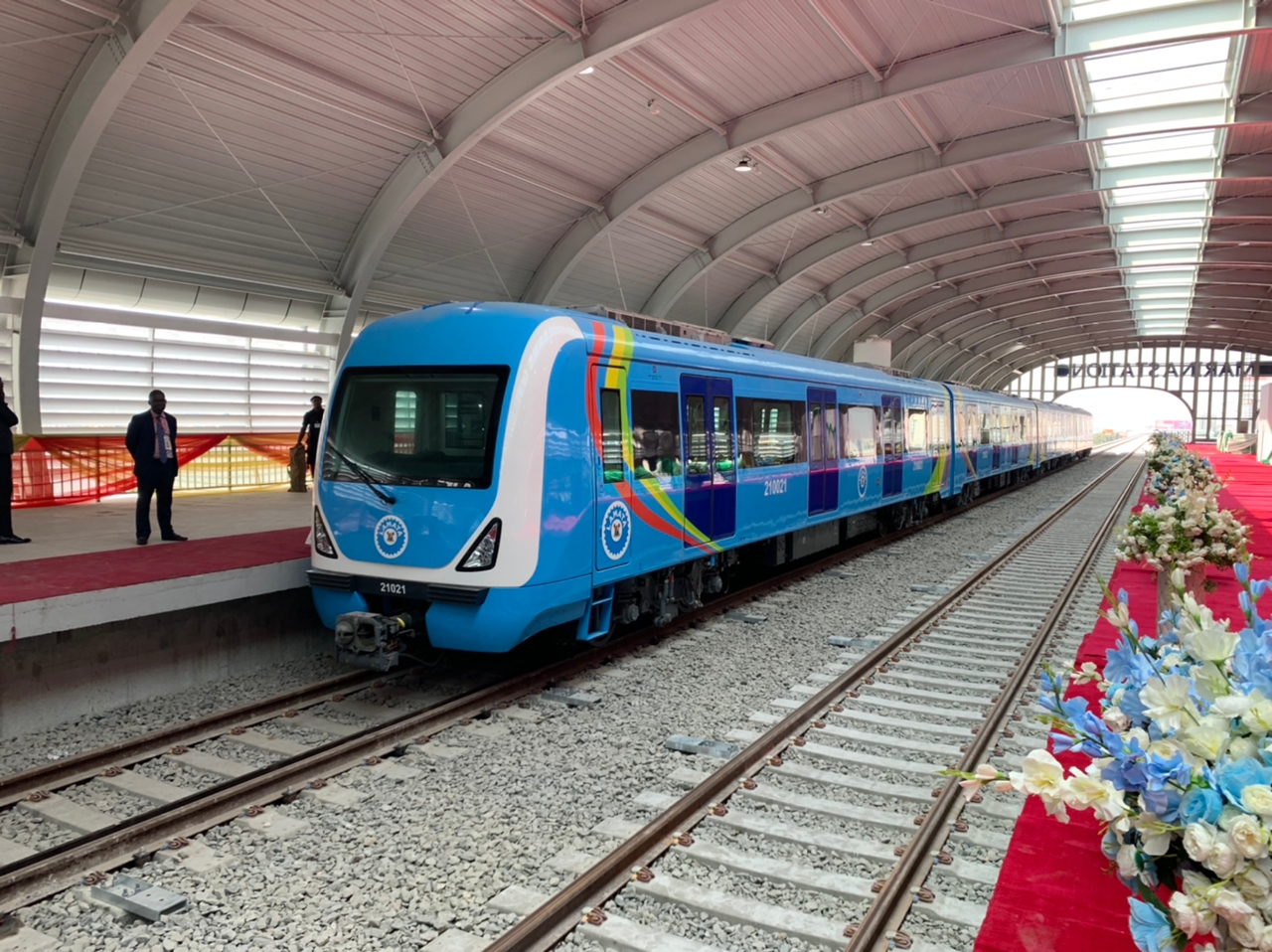
The launch of the Lagos Blue Line in 2023 marked Nigeria’s first real step into modern metro rail. The Red Line followed in 2024 and now connects more parts of the city. The Green Line, announced in April 2025, is a much larger project with a budget of three billion dollars and a target of half a million daily passengers. Together, these projects have the potential to reduce congestion, save travel time, and improve economic activity in Africa’s largest city.
The federal government has also increased investment in national rail projects. In 2025, over 41 billion naira was set aside for upgrades to the Abuja-Kaduna, Lagos-Ibadan, and Itakpe-Ajaokuta lines. The Kano–Kaduna railway secured more than 250 million dollars in new funding from the China Development Bank. Rail freight operations between Lagos and Ibadan are now under contract with a private operator to improve efficiency. These developments signal a growing recognition of rail as a vital part of national transport.

Road Infrastructure
One of the biggest road projects is the Lagos–Calabar Coastal Highway. It stretches 700 kilometers and connects southern states along the coast. Construction began in 2024 and the first 30 kilometers were commissioned in May 2025. The highway is expected to boost tourism, trade, and industrial activity along the corridor. This project is also likely to reshape communities and stimulate investment in connected towns and cities.
Aviation Sector
The Nigerian aviation industry has also taken major steps forward. In 2024, Nigeria signed an agreement with Boeing for support in aircraft maintenance, training, and airport development. This is an important move toward improving safety and technical skills. Nigeria also exited the Aviation Working Group watchlist in late 2024 after meeting more than seventy percent of international compliance standards. This has made the country more attractive for aircraft leasing.
Air Peace began operating flights to London, showing how local airlines are gaining ground in international routes. Emirates resumed flights to Nigeria in October 2024, further strengthening connections. The government cleared over $800 million in trapped funds owed to foreign airlines, resolving a long-standing issue that had discouraged some carriers. In terms of infrastructure, 2.5 billion naira has been allocated for boarding bridges at Lagos airport.
From January 2025, all outbound flights must use Nigerian catering services. This policy is designed to support local businesses and jobs. Meanwhile, the Nigerian Civil Aviation Authority introduced a Consumer Protection Portal in 2024 to help passengers track complaints and seek compensation more easily.
Defense Aviation
The Nigerian Air Force ordered 24 Italian M-346 jets and 10 AW-109 helicopters in 2024. The first deliveries are expected in 2025. This deal also includes plans for a local maintenance hub. Building such a facility could lower costs in the long run and support technology transfer to Nigeria.
Alternative Fuels and Cost Relief
After the removal of fuel subsidies in 2023, transport costs rose sharply. To address this, the government began promoting compressed natural gas as an alternative. This year alone, more than 100,000 vehicles had been converted, with plans to reach one million in three years. During the 2024 holiday season, the government also offered discounted fares and free train rides on selected routes to ease the burden on households. These steps show a willingness to explore solutions that can ease pressure on citizens.






Leave a Reply