


Between 2023 and 2025, state governments across Nigeria rolled out an array of new policies. On the surface, these initiatives look diverse. Some states raised wages, others banned plastics, some introduced digital government platforms, while others expanded social protection. Yet when we look closer, most of these policies treat the symptoms of Nigeria’s challenges rather than their deeper causes.
The removal of fuel subsidies in 2023 was the first major shock. To cushion the blow, the federal government approved five billion naira for every state to procure food and distribute relief packages. This was necessary in the short run but it sent a clear signal about how the problem was seen. Hardship was treated as a matter of insufficient handouts, not as a sign of deeper dependence on subsidies and a fragile economic structure. Relief food items calmed the immediate anger but they did not answer the real question of how to build an economy that can protect people without constant emergency spending.
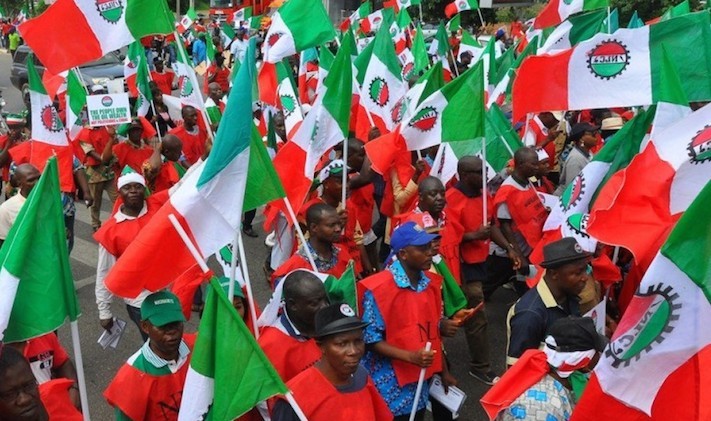
The same short-term outlook appears in the wave of minimum wage announcements in 2024. Eighteen states adjusted wages upward, with Lagos and Rivers setting new highs at eighty five thousand naira per month. Other states stayed closer to the national benchmark of seventy thousand. These steps helped workers meet the cost of food and transport in the short term. Yet they assumed that the only real issue was pay levels. The truth is more complex. Inflation is driven by rising energy costs, weak power supply, poor logistics for food distribution, and a lack of competitive industries. Raising salaries without fixing these underlying drivers risks creating another round of inflation and fiscal strain.

Several states also turned to transparency and open governance initiatives. Bauchi, Kaduna, and Plateau invested in platforms to publish budgets and invite citizens to comment. These measures make information more available, but they are based on the idea that once citizens can see data, accountability will follow. In practice, information alone does not build trust. Citizens need strong civic education and enforcement mechanisms to hold leaders to account. Without these, transparency can become a box-ticking exercise.
Kaduna took an important step by launching a Women’s Economic Empowerment policy. The program consolidates livelihood schemes under a single umbrella and allocates direct budget funding. It recognizes that women face unique barriers, especially survivors of gender based violence and women trapped in chronic poverty. Yet the initiative risks presenting women’s economic struggles as an isolated matter rather than a reflection of broader inequalities in access to land, credit, and decision-making power. Empowerment will require changing rules and institutions, not just better coordination of programs.
Environmental policies in Lagos and Abia focused on banning single-use plastics and Styrofoam. These bans responded to visible pollution and flooding challenges in cities. But once again, the problem was framed narrowly as one of consumer behavior. Without building recycling infrastructure and integrating informal waste workers, such bans can simply shift costs onto small traders while leaving the larger environmental crisis untouched.
In Edo, the state launched a free bus service as a cushion against transport costs, with plans to add compressed natural gas buses. This gave immediate relief to commuters, yet it framed the transport crisis as mainly about fares. The deeper issues are congested urban planning, poor road maintenance, and fragmented systems. Free buses are welcome but they cannot replace a comprehensive transport strategy.
Health and digital governance policies followed a similar pattern. Osun expanded its health insurance scheme, assuming that coverage will automatically mean access to care. Anambra digitized government services, assuming that online platforms will solve inefficiency. In both cases, weak underlying systems—whether underfunded clinics or the digital divide between urban and rural areas—remain unaddressed.
Looking across these examples, we see a pattern. Nigerian states are presenting problems as short-term deficits: low wages, high transport fares, dirty streets, lack of transparency. They then design policies that deliver quick wins. But the harder work lies in confronting the structural causes: a fragile economy, systemic corruption, inequality in land and finance, and poor infrastructure.
Despite possible positive impacts of the policies, state governments should know that citizens need more than palliatives. They need long-term strategies that transform agriculture, build energy resilience, expand manufacturing, and invest in human capital. Quick fixes have their place, but they should be paired with bold reforms that tackle root causes. Otherwise, Nigeria will continue to chase symptoms while the real problems grow deeper.








Leave a Reply