


Ahmed had just received his annual bonus. Like many young professionals, he wanted to make his money work for him rather than let it sit idle in a savings account. His colleagues were talking about the stock market, mutual funds, and the returns they had made over the past year. Ahmed was interested too, but there was a problem. Every time he considered investing, one question held him back: Would this be halal?
This is a common dilemma for Muslims who want to grow wealth without compromising faith. Islam encourages financial responsibility and wealth creation, but it also sets clear boundaries. There should be no riba (interest), no gambling, and no involvement in businesses that harm society. So how can someone like Ahmed, or you, tell whether an investment is truly halal?
The first thing to examine is what the company actually does. If its main business is producing or promoting alcohol, tobacco, pork products, gambling, conventional banking, or insurance, then it is immediately off the list. On the other hand, companies in technology, healthcare, halal food, transportation, and many other industries are usually acceptable. Think of it as a basic halal versus haram activity filter.
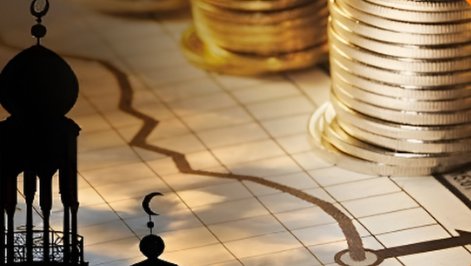
After that, things get a little more detailed. Even if the business itself is halal, the way it manages money must also comply with Shari’ah. Scholars have set certain financial ratios to help with this. For example, a company should not carry excessive debt that earns or pays interest. Typically, its interest-bearing debt should be less than one-third of its total assets. Similarly, any income from non-halal sources such as interest from a bank deposit should not exceed a very small portion, usually capped at five percent of total revenue. These safeguards help investors avoid companies that are financially entangled with riba.
In today’s financial system, avoiding every trace of non-halal income can be difficult. That is why there is the concept of purification. If a company earns a small amount from non-permissible activities, an investor can calculate that portion of their returns and donate it to charity, seeking no personal benefit. This ensures their wealth remains clean in the sight of Allah.
Halal investing is also about ethics. Beyond numbers and ratios, Islam places great emphasis on fairness, transparency, and social responsibility. A company that cheats customers, mistreats employees, or damages the environment might pass financial screens but still fall short of true Islamic values. As investors, choosing ethical businesses means supporting justice and contributing to positive change.
And if all this seems overwhelming, there are tools to make the process easier. Global indexes such as MSCI Islamic, Dow Jones Islamic, and FTSE Shari’ah already filter stocks for compliance. Many funds also have Shari’ah advisory boards that review and certify investments. For Muslims who want peace of mind, these resources save time and remove uncertainty.
In the end, identifying halal investments comes down to three guiding questions: What does the company do? How does it handle its money? And is it recognized as Shari’ah-compliant? With these in mind, investors like Ahmed can confidently grow their wealth in a way that not only secures their financial future but also aligns with their faith.







Leave a Reply